Our Food for Brain acts as the command center of the entire body, controlling everything from thoughts and emotions to movement and memory. It’s responsible for how we learn, communicate, and respond to the world around us. Given its critical role, keeping the brain in peak condition is essential for overall well-being.
Like a high-performance machine, the brain needs quality fuel to function at its best. While age and genetics influence cognitive ability, research shows that proper nutrition plays a powerful role in maintaining and enhancing brain health. Nutrients from whole foods can sharpen focus, improve memory, and even support emotional balance.
In this article, we’ll highlight the best brain-boosting foods, explain how they work, and offer 8 practical tips to help you stay mentally sharp and physically energized. Whether you’re studying, working, or simply aiming to age well, the right diet can help your brain thrive at every stage of life.
Why Brain Health Matters (Food for Brain)

Your brain is one of the most energy-demanding organs in your body, using roughly 20% of your total energy. To perform at its best—whether you’re working, studying, or simply managing daily tasks—it needs a steady supply of high-quality nutrients from the food you eat.
A brain-nourishing diet helps prevent mental fatigue, brain fog, and age-related conditions like Alzheimer’s and dementia. It supports memory, focus, and emotional balance, making it easier to stay sharp and productive throughout the day.
Certain vitamins, minerals, and healthy fats play a key role in this process. They support the production of neurotransmitters, improve blood circulation to the brain, reduce inflammation, and strengthen the connections between brain cells. Prioritizing these nutrients in your diet is one of the most powerful ways to protect and enhance your cognitive health—both now and in the future.
Top Brain Foods to Boost Memory and Focus Naturally
1. Fatty Fish (Salmon, Sardines, Mackerel)
Fatty fish are among the best foods for brain health, thanks to their high levels of omega-3 fatty acids, especially EPA and DHA. These essential fats play a critical role in brain function, helping to build and maintain brain and nerve cells.
DHA, in particular, is a major structural component of the brain and is vital for memory, learning, and cognitive performance. People who regularly consume fatty fish often show improved mental clarity and reduced risk of cognitive decline with age.
Including fatty fish like salmon, sardines, mackerel, and trout in your diet a few times a week can significantly benefit your brain. Not only do they support brain development and protect against degenerative diseases, but they also contribute to overall mood stability and focus—making them a smart addition to any diet focused on mental sharpness.
Benefits:(Food for Brain)
- Improve learning and memory
- Reduce depression and anxiety
- Slow down age-related mental decline
How to consume:
- Eat two servings per week
- Grill or bake with herbs for a healthy option
2. Blueberries

Blueberries are often hailed as one of the best foods for brain health, and for good reason. These small berries are packed with powerful antioxidants, particularly flavonoids(Food for Brain), which play a vital role in protecting brain cells from oxidative stress and age-related damage.
Research has shown that regular consumption of blueberries can improve communication between brain cells, enhance memory, and support overall cognitive performance. Their neuroprotective effects make them especially beneficial for aging brains and those looking to stay mentally sharp.
Adding a handful of blueberries to your breakfast (Food for Brain), smoothie, or snack routine is a simple and delicious way to nourish your brain. With their impressive combination of nutrients and Food for Brain -boosting compounds, blueberries are a smart, natural choice for anyone focused on maintaining long-term mental wellness.
Benefits:(Food for Brain)
- Delay brain aging
- Improve memory and cognitive function
- Support new nerve cell connections
How to consume: (Food for Brain)
- Add to smoothies, yogurt, or salads
- Eat a handful as a snack
3. Turmeric (Food for Brain)
Turmeric is a golden spice widely recognized for its medicinal properties, particularly due to its active compound curcumin. Curcumin is a potent antioxidant and anti-inflammatory agent that stands out among the best foods for brain health because it can cross the blood-brain barrier, allowing it to directly benefit brain cells.
Once in the brain, curcumin supports the growth of new neurons and helps improve mood and memory by boosting levels of brain-derived neurotrophic factor (BDNF), a key hormone involved in cognitive function. It also helps combat oxidative stress and inflammation—two major factors in age-related cognitive decline.
Incorporating turmeric into your daily routine, whether through cooking or supplements, can be a powerful way to nourish your mind. Its wide range of brain-supportive benefits makes it a valuable addition to any diet focused on long-term mental clarity and resilience.
Benefits: (Food for Brain)
- Boosts serotonin and dopamine levels
- Enhances mood and memory
- May help grow new brain cells
How to consume: (Food for Brain)
- Add to curry, golden milk, or tea
- Take in supplement form after consulting a doctor
4. Broccoli
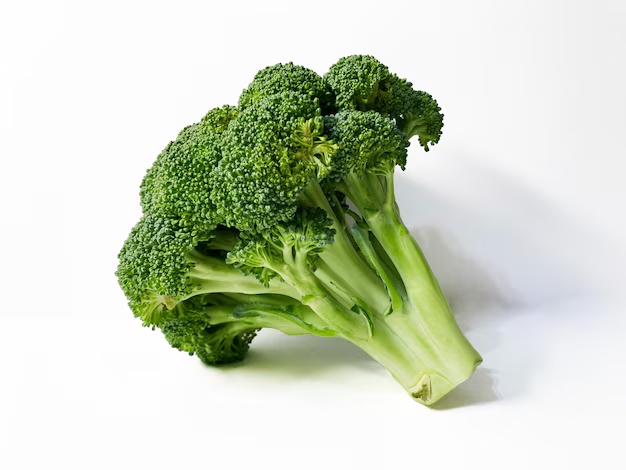
Broccoli is more than just a staple vegetable—it’s one of the best foods for brain health. Packed with vitamin K (Food for Brain), it plays an essential role in forming sphingolipids, a type of fat that’s crucial for brain cell structure and function. Just one serving of broccoli can provide over 100% of your daily vitamin K needs.
Beyond vitamin K, broccoli contains powerful antioxidants and anti-inflammatory compounds that help protect the brain from oxidative stress and inflammation. These benefits are vital for preserving cognitive function, especially as we age. Research even suggests that broccoli may contribute to better memory and mental sharpness over time.
Including broccoli regularly in your meals—whether steamed, roasted, or tossed into salads—is a smart step toward supporting long-term brain health. Its impressive nutrient profile makes it a key player in any diet focused on cognitive wellness.
Benefits: (Food for Brain)
- Strengthens brain cell structure
- Fights inflammation
- Enhances cognitive performance
How to consume: (Food for Brain)
- Steam or sauté with garlic and olive oil
- Add to stir-fries or soups
5. Pumpkin Seeds
Pumpkin seeds may be small, but they are nutritional powerhouses, especially when it comes to supporting your brain. These tiny seeds are rich in zinc, magnesium, iron, and copper—four essential minerals that play critical roles in brain function and mental clarity.
Zinc is vital for nerve signaling, and a deficiency can lead to neurological problems. Magnesium supports learning and memory, while iron helps transport oxygen to the brain, preventing mental fatigue. Copper contributes to brain signaling and defense against oxidative stress. Together, these nutrients make pumpkin seeds one of the best foods for brain health.
Adding pumpkin seeds to your daily diet is easy—sprinkle them on salads, mix them into yogurt, or enjoy them as a crunchy snack. Their combination of minerals helps fuel brain performance and protect cognitive function as you age.
Benefits: (Food for Brain)
- Improve memory and mood
- Prevent neurological diseases
- Boost nerve signaling
How to consume: (Food for Brain)
- Eat raw or roasted
- Add to oatmeal, salads, or yogurt
6. Dark Chocolate
Quality dark chocolate, especially varieties with 70% cocoa or more, is more than just a tasty treat—it’s also a powerful brain booster. Rich in flavonoids, caffeine, and antioxidants, dark chocolate supports several aspects of cognitive function, including memory, focus, and mental alertness.
Flavonoids in dark chocolate improve blood flow to the brain, enhance neuroplasticity (the brain’s ability to form new connections), and help protect brain cells from oxidative stress. The small amount of caffeine gives a mild mental energy boost, while antioxidants fight free radicals that can damage cells over time.
Because of these benefits, dark chocolate has earned its place among the best foods for brain health. Enjoying a small piece daily can support mood, mental performance, and even reduce the risk of age-related cognitive decline—just be mindful of portion sizes to avoid excess sugar.
Benefits: (Food for Brain)
- Enhance focus and alertness
- Improve blood flow to the brain
- Elevate mood
How to consume: (Food for Brain)
- A small square or two per day
- Melt into hot milk for a brain-boosting drink
7. Nuts and Seeds (Walnuts, Almonds, Chia Seeds)
Nuts and seeds are among the best foods for brain health, thanks to their rich content of healthy fats, antioxidants, and essential nutrients. They provide a steady source of energy and nutrients that support brain function throughout the day.
In particular, they are high in vitamin E—a powerful antioxidant known to protect brain cells from oxidative damage. Studies have linked higher vitamin E intake to a reduced risk of age-related cognitive decline, making nuts and seeds especially beneficial for long-term mental clarity.
Whether it’s almonds, walnuts, flaxseeds, or sunflower seeds, incorporating a handful into your daily diet can significantly boost brain performance. These small yet nutrient-dense snacks are easy to add to smoothies, salads, or eaten on their own—making them an ideal choice for those focused on enhancing memory and protecting cognitive function naturally.
Benefits: (Food for Brain)
- Slow down brain aging
- Enhance cognitive function
- Provide sustained energy
How to consume: (Food for Brain)
- Snack on mixed nuts
- Add to smoothies or cereals
8. Leafy Greens (Spinach, Kale, Swiss Chard)
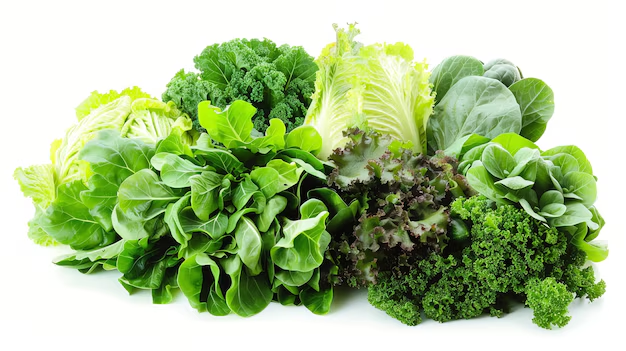
Leafy greens like spinach, kale, and collard greens are among the best foods for brain health. Packed with essential nutrients such as folate, vitamin K, beta carotene, and lutein, they support cognitive function and help slow age-related mental decline.
Vitamin K is especially important, as it plays a key role in brain cell structure and function. Folate helps in neurotransmitter function and may reduce the risk of depression. Beta carotene and lutein act as antioxidants, protecting the brain from oxidative stress.
Adding leafy greens to your daily meals—whether in salads, smoothies, or stir-fries—is a simple yet powerful step toward better brain health. Their nutrient-dense profile supports memory, focus, and long-term mental clarity, making them a vital part of any brain-boosting diet.
Benefits: (Food for Brain)
- Improve mental clarity
- Protect against dementia
- Reduce inflammation
How to consume: (Food for Brain)
- Add to salads, soups, and smoothies
- Sauté with olive oil and garlic
Lifestyle Tips to Enhance Brain Function Naturally
While including the best foods for brain health in your diet is essential, it’s only part of the equation. Your daily habits and routines significantly influence your cognitive performance, mental clarity, and long-term brain function.
Regular sleep, physical activity, stress management, and mental stimulation all complement the benefits of a nutrient-rich diet. These lifestyle practices work together with brain-boosting foods like leafy greens, berries, fatty fish, and nuts to protect and enhance brain health.
Incorporating simple changes—such as a consistent sleep schedule, staying hydrated, practicing mindfulness, and engaging in brain-challenging activities—can make a powerful difference. When paired with a diet rich in the best foods for brain health, these routines create a strong foundation for lasting mental sharpness and emotional well-being.
1. Stay Physically Active (Food for Brain)
Exercise increases blood flow to the brain and promotes the release of chemicals that improve mood and memory.
Tip: Engage in at least 30 minutes of moderate exercise (like walking, dancing, or yoga) five times a week.
2. Sleep Well (Food for Brain)
Sleep helps consolidate memories and clear brain toxins. Poor sleep is linked to reduced focus, memory loss, and emotional instability.
Tip: Aim for 7–9 hours of quality sleep per night. Avoid screens and caffeine before bedtime.
3. Manage Stress (Food for Brain)
Chronic stress damages brain cells and impairs memory. Meditation, breathing exercises, and mindfulness can help.
Tip: Practice 10 minutes of deep breathing or mindfulness each day.
4. Stay Hydrated
Dehydration affects memory, focus, and brain volume.
Tip: Drink at least 8 cups (2 liters) of water daily. Eat water-rich foods like cucumber and watermelon.
5. Limit Sugar and Processed Foods
High sugar intake is linked to impaired brain function and mood disorders.
Tip: Choose whole foods and avoid sugary snacks, soft drinks, and refined carbs.
6. Keep Your Brain Active
Mental stimulation builds cognitive reserve and strengthens neural pathways.
Tip: Read, solve puzzles, play musical instruments, or learn a new language.
7. Build Social Connections
Strong relationships support emotional and brain health by reducing stress and promoting mental engagement.
Tip: Regularly connect with friends and family. Join clubs or community groups.
8. Avoid Alcohol and Smoking
Excessive alcohol and nicotine can shrink brain volume and damage neurons.
Tip: Limit alcohol to moderate levels (1 drink/day for women, 2 for men), and seek help if trying to quit smoking.
Top 8 Tips to Stay Mentally and Physically Healthy
- Eat Smart for Your Brain: Focus on a diet rich in omega-3s, antioxidants, fiber, and low sugar to keep your brain and body in sync.
- Exercise Regularly: Physical movement energizes the body and sharpens the mind.
- Prioritize Sleep: Your brain resets and heals during rest — don’t skip it.
- Practice Mindfulness: Mental health is as important as physical health.
- Stay Socially Active: Healthy relationships are linked to lower risk of dementia.
- Hydrate and Detox: Support brain health by flushing toxins and staying well-hydrated.
- Challenge Yourself Mentally: Stay curious. Lifelong learning protects against mental decline.
- Avoid Harmful Habits: Say no to smoking, heavy drinking, and processed foods.
Conclusion: Fuel Your Brain, Fuel Your Life
Your brain is your most valuable asset—it powers your thoughts, decisions, emotions, and memories. The foods you eat and the habits you adopt directly influence your mental clarity, focus, and long-term brain health. By adding nutrient-dense options like fatty fish, blueberries, nuts, and leafy greens to your plate—and supporting them with consistent sleep, physical activity, stress management, and hydration—you create a strong foundation for optimal brain performance.
The best part? You don’t need drastic changes to see real results. Small, consistent improvements in your diet and daily routine can make a lasting difference. The next time you’re planning your meals or choosing how to spend your time, think of your brain. Nourish it, challenge it, and care for it—because when you fuel your brain, you fuel your entire life.
FAQs – Food for Brain: Boost Memory and Focus Naturally
1. What are the best foods to improve memory and concentration?
The best brain-boosting foods include:
- Fatty fish (like salmon and sardines)
- Blueberries
- Dark chocolate
- Leafy greens (like spinach and kale)
- Nuts and seeds
- Turmeric
- Eggs
- Whole grains
These foods are rich in omega-3s, antioxidants, vitamins, and minerals essential for brain function.
2. How does food affect brain health?
Food provides the nutrients your brain needs to function properly. For example:
- Omega-3s help build brain cells
- Antioxidants protect against aging and free radicals
- B vitamins improve nerve function
- Magnesium and zinc regulate neurotransmitters
A poor diet can lead to brain fog, memory issues, and even increase the risk of neurodegenerative diseases.
3. Can certain foods help prevent Alzheimer’s or dementia?
While no food can guarantee prevention, certain diets — especially the Mediterranean and MIND diets — are linked to reduced risk of cognitive decline. Foods rich in omega-3s, leafy greens, berries, nuts, and olive oil are particularly helpful.
4. How often should I eat brain-healthy foods?
Ideally, brain-boosting foods should be part of your daily diet. For example:
- Eat fatty fish 2-3 times a week
- Include berries daily or several times a week
- Snack on nuts daily
- Add leafy greens to at least one meal per day
Consistency is key for long-term brain health benefits.
5. Are supplements like omega-3 pills as effective as eating real food?
Whole foods are always the best source because they provide a complete range of nutrients. However, if you don’t eat enough fatty fish, omega-3 supplements (especially those containing EPA and DHA) can be beneficial. Always consult a healthcare provider before starting supplements.
Food for Brain: Boost Memory, Focus, and Mental Clarity