In today’s fast-paced and demanding world, maintaining good health is no longer optional—it’s essential. True wellness is about more than just avoiding illness; it means feeling energized, staying mentally focused, and maintaining emotional and physical balance. While regular exercise and quality sleep are vital, nutrition is the foundation of your overall well-being, especially when it comes to brain performance.
Your brain is the command center of your body, responsible for everything from decision-making and memory to emotions and movement. To keep it functioning at its best, it needs a constant supply of brain-supportive nutrients. That’s where brain-boosting foods come in—whole, natural foods rich in antioxidants, healthy fats, vitamins, and minerals that nourish your mind and protect it from age-related decline.
In this guide, you’ll discover 8 practical tips for staying healthy, all grounded in smarter nutrition for your brain. Whether you’re studying, working, or aging gracefully, these tips will help you stay sharp, focused, and full of vitality.
Tip 1: Prioritize a Brain-Healthy Diet
Why It Matters:
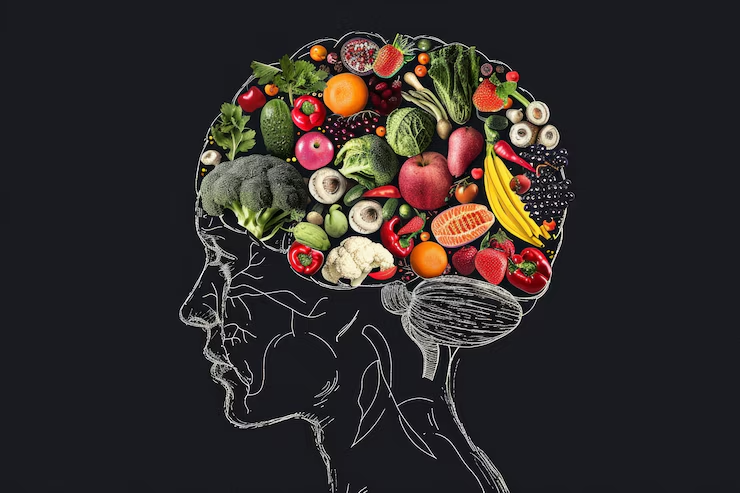
The foods you eat have a direct and lasting impact on how your brain functions. Just like your heart and muscles need proper fuel, your brain relies on nutrients to support memory, focus, and emotional well-being. That’s where brain foods come in—nutrient-dense options that provide the energy and protection your brain needs to thrive.
Studies have shown that diets high in processed foods and sugar can impair brain function, leading to issues such as brain fog, anxiety, depression, and poor concentration. On the other hand, brain foods like fatty fish, berries, leafy greens, and nuts are rich in antioxidants, healthy fats, and vitamins that nourish and protect brain cells.
Incorporating brain foods into your daily meals is a powerful step toward better mental performance and long-term cognitive health. What you put on your plate today shapes how your brain performs tomorrow.
Top Brain Foods:
- Fatty Fish (Salmon, Mackerel, Sardines): Rich in omega-3 fatty acids, which form the building blocks of brain cells and enhance memory and learning.
- Blueberries: Packed with antioxidants that delay brain aging and improve communication between brain cells.
- Nuts and Seeds (especially Walnuts and Flaxseeds): Excellent sources of vitamin E and omega-3s that support brain function.
- Avocados: Contain healthy fats that promote blood flow, which is essential for a healthy brain.
- Leafy Greens (Spinach, Kale, Broccoli): High in brain-friendly nutrients like vitamin K, lutein, folate, and beta carotene.
How to Apply:
Incorporate at least one brain-boosting food into each meal. For example, add spinach to your morning smoothie, snack on walnuts, or enjoy grilled salmon with leafy greens for dinner.
Tip 2: Stay Physically Active
Why It Matters:
Exercise is often praised for its physical benefits, but its impact on the brain is equally powerful. Regular physical activity enhances blood flow to the brain, delivering oxygen and nutrients that support cognitive function and emotional well-being.
One of the most remarkable effects of exercise is its ability to stimulate the production of brain-derived neurotrophic factor (BDNF). This important protein encourages the growth of new neurons, improves memory, and supports overall brain plasticity—helping your brain adapt and stay sharp as you age.
To maximize the brain-boosting benefits of exercise, combine it with a diet rich in brain foods like leafy greens, fatty fish, and berries. Together, movement and nutrition create a powerful duo that keeps your mind clear, your mood stable, and your brain functioning at its best. Whether it’s a brisk walk or a workout session, staying active is one of the smartest habits for lifelong brain health.
Brain Foods for Better Sleep:
- Cherries: A natural source of melatonin, which regulates sleep cycles.
- Bananas: Rich in magnesium and potassium that help muscles relax.
- Almonds: Contain tryptophan and magnesium—promoting calmness and better sleep.
How to Improve Sleep:
- Stick to a consistent sleep schedule.
- Avoid screens at least one hour before bed.
- Have a light snack rich in brain-friendly sleep nutrients if you’re hungry.
Pro Tip:
Drink a warm chamomile tea before bed and sprinkle flaxseed on your dinner salad. The healthy fats will support your brain overnight.
Tip 4: Stay Hydrated

Why It Matters:
Staying hydrated is essential for optimal brain function. Even mild dehydration—just a 1–2% drop in body water—can significantly impact your attention, memory, and coordination. It can also lead to symptoms like brain fog, headaches, and fatigue, all of which affect your ability to think clearly and perform daily tasks.
The brain relies on water to deliver nutrients, remove waste, and maintain the balance of neurotransmitters. When hydration levels drop, these critical processes slow down, leaving you mentally sluggish and physically drained. This makes hydration a non-negotiable part of any wellness routine.
Pair proper hydration with brain foods like water-rich fruits (such as oranges and watermelon), leafy greens, and omega-3–rich foods. This combination not only fuels your brain but also helps you stay energized and focused throughout the day. Remember: drinking enough water is one of the simplest ways to protect your brain health.
Brain-Friendly Hydration:
- Water: Always the first and best choice.
- Green Tea: Contains L-theanine and caffeine, which can improve alertness and focus.
- Coconut Water: Offers natural electrolytes that boost mental energy.
Foods That Hydrate:
- Cucumbers, watermelon, oranges, strawberries, and celery are over 90% water and contain essential nutrients that support hydration and brain function.
Action Plan:
Drink at least 8 cups (2 liters) of fluids a day. Eat water-rich fruits and vegetables. Add lemon or mint to your water for taste and added benefits.
Tip 5: Manage Stress Naturally
Why It Matters:
Chronic stress doesn’t just affect your mood—it can actually change the structure of your brain. Prolonged stress raises levels of cortisol, a hormone that, when constantly elevated, can shrink the hippocampus, the part of the brain responsible for memory and learning.
Over time, this can lead to difficulty concentrating, poor memory, and an increased risk of mental health issues such as anxiety and depression. Stress also increases inflammation in the brain and reduces the production of new brain cells, further impairing cognitive function.
To combat the effects of stress, it’s essential to prioritize relaxation techniques like mindfulness, deep breathing, or regular exercise. Additionally, incorporating brain foods such as dark chocolate, fatty fish, berries, and leafy greens can support brain health. These foods are rich in antioxidants and nutrients that help reduce inflammation and protect your brain from the damaging effects of chronic stress.
Brain Foods That Reduce Stress:
- Dark Chocolate (70%+ cocoa): Boosts serotonin and endorphins, reduces cortisol.
- Turmeric: Contains curcumin, a powerful anti-inflammatory compound that can cross the blood-brain barrier and boost dopamine and serotonin.
- Green Leafy Vegetables: Help regulate cortisol through their magnesium content.
Lifestyle Additions:
- Practice mindfulness and meditation.
- Take breaks during work.
- Laugh more—it’s a natural stress reliever.
Brain Tip:
Drink a golden turmeric latte in the evening or snack on a square of dark chocolate when feeling overwhelmed. Both are brain-supportive indulgences.
Tip 6: Feed Your Gut to Fuel Your Brain
Why It Matters:
Your brain and gut are intricately linked through what’s known as the gut-brain axis. This two-way communication system allows your digestive system to influence your mood, cognition, and even your immune responses. When your gut is healthy, your brain tends to function more efficiently and feel more balanced.
An unhealthy gut, however, can lead to symptoms like anxiety, depression, brain fog, and weakened immunity. That’s why maintaining a well-balanced gut microbiome is essential not just for digestion, but also for mental clarity and emotional well-being.
Eating plenty of brain foods like yogurt, kefir, bananas, leafy greens, and fermented vegetables can help nourish your gut and enhance brain function. These foods provide beneficial bacteria (probiotics) and the fiber they feed on (prebiotics), supporting both your mental health and your physical resilience. A healthy gut truly feeds a healthy mind.
Probiotic-Rich Brain Foods:
- Yogurt with Live Cultures
- Kefir
- Kimchi and Sauerkraut
- Miso Soup
Prebiotic Foods:
- Garlic, onions, leeks, bananas, and oats feed good gut bacteria.
Mental Clarity Boost:
A healthy gut reduces inflammation in the brain and enhances neurotransmitter function—especially serotonin, 90% of which is produced in the gut.
Daily Habit:
Start your day with a probiotic smoothie and end with a warm miso soup or a banana-oat snack to keep your microbiome balanced.
Tip 7: Limit Sugar and Refined Carbs
Why It Matters:
Consuming high amounts of sugar and refined carbohydrates can have serious consequences for your brain health. These foods cause rapid spikes and crashes in blood sugar levels, which negatively impact your memory, mood, and ability to concentrate. You may feel an initial energy boost, but it’s often followed by brain fog and fatigue.
Over time, a diet high in sugar and refined carbs can lead to insulin resistance, which is linked to a greater risk of cognitive decline and neurological diseases like Alzheimer’s. Chronic inflammation caused by poor dietary habits can damage brain cells and impair communication between them.
To protect your brain, swap out refined sugars and processed carbs for brain foods like whole grains, berries, leafy greens, and fatty fish. These nutrient-dense choices help stabilize blood sugar, reduce inflammation, and support sharper thinking and long-term mental clarity. Your brain thrives on steady, clean energy.
Swap These Foods:
- Replace sugary cereals with oats and berries.
- Swap white bread for whole grain or sprouted bread.
- Replace soda with infused water or herbal tea.
Smart Brain Foods Instead:
- Berries: Natural sweetness with antioxidants.
- Sweet Potatoes: Provide fiber, beta-carotene, and stable energy.
- Quinoa and Whole Grains: Fuel your brain slowly and steadily.
Action Plan:
Read food labels, reduce processed snacks, and choose whole foods whenever possible. Your brain will thank you with sharper focus and better memory.
Tip 8: Keep Your Mind Engaged and Social
Why It Matters:
Keeping your brain active goes beyond puzzles and games—mental stimulation and meaningful social interaction are essential for maintaining cognitive health. Engaging in conversation, learning new skills, and staying curious help keep neural connections strong and responsive.
On the flip side, isolation and boredom have been strongly linked to cognitive decline, memory loss, and even increased risk of dementia. When your brain lacks stimulation, it becomes less efficient over time, leading to mental fatigue and reduced sharpness.
To keep your mind sharp, combine social activities with a nutrient-rich diet full of brain foods. Enjoy meals with friends, join group classes, or volunteer—each interaction supports brain flexibility and emotional well-being. Pairing these habits with foods rich in antioxidants, omega-3s, and B vitamins will further enhance mental performance and resilience as you age.
Brain-Boosting Activities:
- Learn a new skill or language.
- Play strategy games like chess or puzzles.
- Read daily and engage in conversations.
- Volunteer or join clubs and community events.
Brain Foods to Snack On During Mental Workouts:
- Pumpkin Seeds: Rich in zinc, magnesium, iron, and copper—all crucial for brain function.
- Dark Berries and Nuts: Boost brain power while you read or study.
Routine Tip:
Challenge your brain daily and pair it with brain fuel snacks like trail mix or Greek yogurt topped with walnuts and blueberries.
Conclusion: Brain Foods
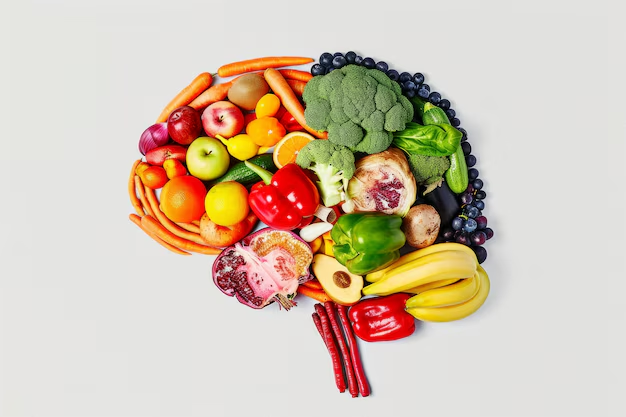
Fueling your brain with the right foods is one of the most powerful ways to support mental clarity, memory, focus, and long-term cognitive health. Just as your body needs proper nutrition to stay strong and energized, your brain thrives on specific nutrients found in natural, whole foods.
Incorporating brain-boosting foods like fatty fish, blueberries, leafy greens, nuts, seeds, and dark chocolate can make a noticeable difference in your daily performance and overall well-being. These foods provide essential fatty acids, antioxidants, and vitamins that protect brain cells, reduce inflammation, and improve communication between neurons.
Remember, small changes in your daily diet can lead to big improvements in brain function. Combine these foods with a balanced lifestyle—regular exercise, quality sleep, hydration, and mental engagement—for the best results. Nourish your brain today, and you’ll set the stage for sharper thinking, better mood, and healthier aging tomorrow.
Final Thoughts: Brain Foods for a Sharper, Healthier Mind
In today’s fast-paced world, maintaining optimal brain health is more important than ever. Whether you’re studying, working, or aging gracefully, your brain needs proper nourishment to function at its best. That’s where brain foods come in—nutrient-rich foods that support memory, focus, mood, and long-term cognitive health.
Brain foods aren’t just a trend—they’re backed by science. These include foods high in omega-3 fatty acids, antioxidants, vitamins, and minerals that protect the brain from damage, reduce inflammation, and enhance communication between brain cells. Examples include fatty fish like salmon, which supports memory and learning, and blueberries, rich in antioxidants that help combat oxidative stress in the brain. Leafy greens like spinach and kale are loaded with vitamin K, folate, and beta carotene, all linked to slower cognitive decline.
Including a variety of brain foods in your daily meals can make a noticeable difference in your mental clarity, focus, and energy levels. Nuts and seeds, especially walnuts, offer healthy fats and vitamin E, which help slow mental decline. Whole grains provide steady energy to the brain, while eggs offer choline, a key nutrient for memory and brain development.
However, it’s not just about what you eat—but also about what you avoid. Highly processed foods, excess sugar, and unhealthy fats can impair brain function and increase the risk of cognitive issues. Choosing clean, whole foods consistently is one of the best decisions you can make for your long-term brain health.
In conclusion, your brain is your most valuable asset, and the food you eat plays a crucial role in its performance. Brain foods offer a natural, powerful way to boost mental sharpness, support emotional well-being, and protect against age-related cognitive decline. When combined with a healthy lifestyle—including regular exercise, quality sleep, and stress management—brain-friendly eating can unlock your full mental potential.
Make brain foods a regular part of your diet, and you’ll not only think better—you’ll live better. After all, a nourished brain leads to a more focused, creative, and fulfilling life.
FAQs: Brain Foods
Q1: What are brain foods?
A: Brain foods are nutrient-rich foods that support cognitive function, memory, focus, and overall brain health. Examples include fatty fish, blueberries, walnuts, turmeric, dark chocolate, leafy greens, and pumpkin seeds.
Q2: How do brain foods improve memory and focus?
A: Many brain foods contain omega-3 fatty acids, antioxidants, vitamins (like B12 and vitamin E), and minerals that reduce inflammation, protect brain cells, and support neurotransmitter function—all essential for sharper thinking.
Q3: How often should I eat brain foods?
A: Daily. Try to incorporate at least one or two brain-boosting foods into each meal for consistent support of cognitive health.
Q4: Can brain foods help prevent dementia or Alzheimer’s?
A: While no food can cure or prevent these diseases entirely, a brain-healthy diet—like the Mediterranean or MIND diet—can significantly reduce your risk by protecting brain cells and improving vascular health.
Q5: Are supplements as effective as brain foods?
A: Whole foods are best, as they offer a full spectrum of nutrients and antioxidants. Supplements can help if you have deficiencies, but they shouldn’t replace a healthy diet.
Brain Foods: Boost Memory, Focus, and Mental Clarity