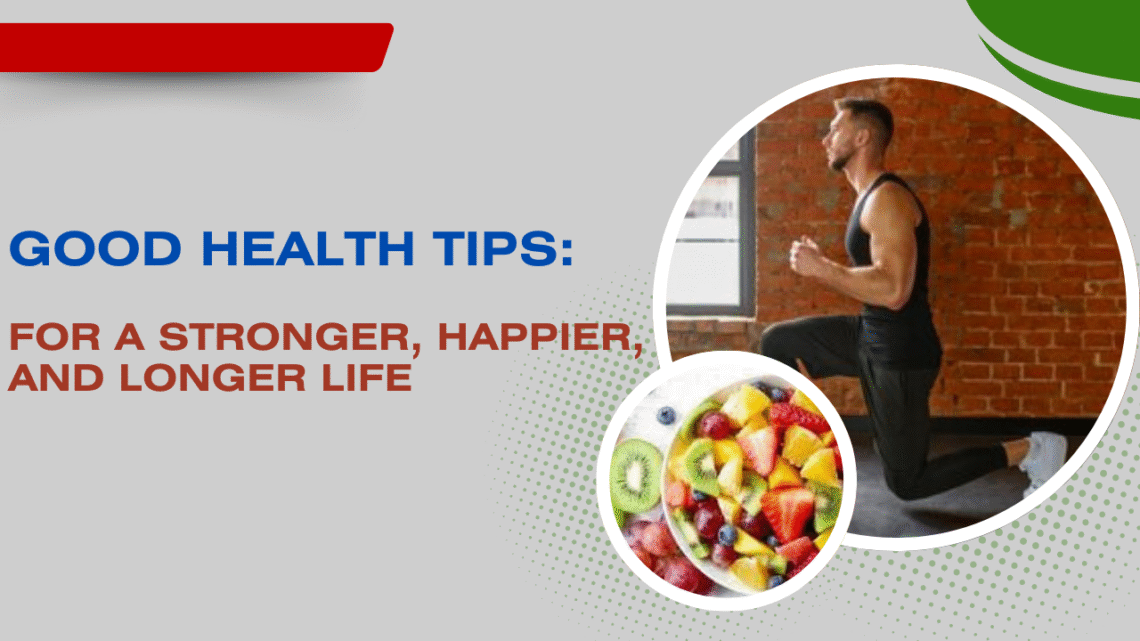
Good health goes beyond just avoiding illness—it means achieving complete physical, mental, and social well-being. In our fast-moving world, where stress is constant and unhealthy habits are common, maintaining good health has become both a priority and a challenge.
Modern life often leads to sedentary behavior, reliance on processed foods, and increased mental strain. These factors can take a toll on overall wellness, making it essential to adopt proactive and consistent healthy habits. Small daily choices can have a powerful impact on how we feel, function, and age.
In this detailed article, we’ll share practical and effective health tips that support every area of your life—nutrition, exercise, mental wellness, daily routines, and preventive care. Whether you want to increase your energy, improve your mood, enhance your fitness, or simply live better, these tips are designed to help you create a stronger, healthier future—one smart step at a time.
1. Start With a Balanced Diet
Nutrition is the cornerstone of overall well-being. The food you choose to eat has a direct impact on your energy levels, immune function, and long-term health. Among the most valuable good health tips is making smart, consistent choices in your daily diet to support every system in your body.
A balanced diet should include a mix of fruits, vegetables, whole grains, lean proteins, and healthy fats. These foods supply essential nutrients—like vitamins, minerals, antioxidants, and fiber—that help your body perform at its best. Limiting processed foods, sugary snacks, and excess salt is also key for maintaining balance.
Following these basic nutrition principles is one of the most effective good health tips for preventing disease and promoting vitality. When you fuel your body with quality food, you’re giving yourself the best chance to feel better, stay active, and live a healthier, longer life.
- Eat a Variety of Foods: Include fruits, vegetables, whole grains, lean proteins, and healthy fats.
- Control Portions: Avoid overeating by being mindful of portion sizes.
- Stay Hydrated: Drink 8–10 glasses of water daily. Water helps with digestion, detoxification, and energy levels.
- Limit Processed Foods: Cut down on sugar, salt, and unhealthy fats.
- Choose Whole Foods: Fresh, unprocessed foods retain more nutrients.
Pro Tip: Try the “rainbow plate” – the more colorful your meal (from fruits and vegetables), the more diverse the nutrients.
2. Regular Physical Activity

Exercise is about much more than just losing weight—it’s a vital part of a healthy lifestyle that benefits the entire body. One of the most important good health tips is to make regular physical activity a part of your daily routine to support long-term well-being.
Engaging in regular exercise helps maintain heart health, improves circulation, and builds strength and flexibility. It also boosts your mood by reducing stress and anxiety through the release of endorphins. Whether it’s walking, swimming, yoga, or strength training, any form of movement can have a positive impact.
Incorporating consistent exercise into your life is one of the smartest good health tips for increasing longevity and improving quality of life. It supports mental clarity, better sleep, and overall resilience—making it an essential habit for anyone looking to feel better and live a fuller, healthier life.
Benefits of Exercise:
- Improves cardiovascular health
- Boosts mood and reduces depression
- Enhances brain function
- Supports healthy weight management
- Strengthens bones and muscles
Effective Tips:
- Aim for at least 150 minutes of moderate aerobic activity weekly (e.g., walking, cycling).
- Include strength training twice a week.
- Find activities you enjoy—dancing, yoga, sports, or hiking.
- Start small. Even 10 minutes of brisk walking a day makes a difference.
Pro Tip: Consistency beats intensity. Focus on building an active lifestyle, not extreme workouts.
3. Prioritize Mental Health
Mental health is just as vital as physical health when it comes to overall well-being. One of the most overlooked yet powerful good health tips is prioritizing your emotional and mental wellness. A healthy mind supports better decisions, relationships, and a more balanced life.
Chronic stress, anxiety, and burnout can take a serious toll on your body. They can weaken your immune system, disrupt sleep, increase fatigue, and even contribute to heart problems. Recognizing the signs early and taking proactive steps to manage stress is crucial for long-term health.
Practices like mindfulness, meditation, journaling, and seeking social support are effective ways to protect your mental health. Among the best good health tips is to make time for relaxation and emotional check-ins, just like you would for physical exercise or healthy meals. A calm mind leads to a stronger, more resilient you.
Ways to Support Mental Health:
- Practice Mindfulness: Meditation, deep breathing, and journaling help center your thoughts.
- Get Enough Sleep: Poor sleep is linked to anxiety, depression, and cognitive decline.
- Seek Connection: Spend time with family and friends. Social support boosts resilience.
- Limit Screen Time: Especially social media, which can cause anxiety and distraction.
- Ask for Help: Therapy and counseling are powerful tools for emotional well-being.
Pro Tip: Try a daily gratitude practice. Writing down three things you’re grateful for can shift your mindset positively.
4. Quality Sleep Matters

Sleep is a vital part of a healthy lifestyle—it’s the time when your body heals, repairs, and recharges for the day ahead. One of the most essential good health tips is to prioritize quality sleep just as much as diet and exercise. Restful sleep supports both physical and mental well-being.
When you don’t get enough sleep, your body and brain can’t function at their best. Fatigue, weakened immunity, poor concentration, and impaired decision-making are just a few of the consequences of chronic sleep deprivation. Over time, it can increase the risk of serious health issues.
Creating a regular sleep schedule, limiting screen time before bed, and creating a calming bedtime routine are helpful good health tips to improve sleep quality. By giving your body the rest it needs, you’re setting the foundation for better health, more energy, and improved daily performance.
Healthy Sleep Habits:
- Stick to a consistent bedtime.
- Avoid screens 1–2 hours before sleeping.
- Keep your bedroom cool, dark, and quiet.
- Avoid caffeine late in the day.
- Create a relaxing bedtime routine.
Pro Tip: Aim for 7–9 hours of uninterrupted sleep. If you feel tired during the day, a 20-minute nap can recharge your brain.
5. Manage Stress Effectively
Stress is a natural part of life and, in small amounts, can even be motivating. However, one of the most important good health tips is learning how to manage chronic stress effectively. When stress becomes constant, it can begin to harm both your body and mind.
Prolonged stress increases the risk of heart disease, digestive problems, high blood pressure, and can even weaken your immune system. It also affects sleep quality, mood, and mental clarity, making it harder to stay focused and productive throughout the day.
Incorporating stress-reducing practices like deep breathing, regular physical activity, meditation, or even taking short breaks during your day are practical good health tips. Managing stress isn’t about eliminating it completely—it’s about building resilience and finding healthy ways to cope. A calm mind and balanced routine can protect your health and improve your quality of life.
Ways to Cope with Stress:
- Practice Yoga or Tai Chi: Combines movement with deep breathing.
- Exercise Regularly: A natural stress reliever.
- Engage in Hobbies: Creative pursuits help distract and uplift.
- Connect with Nature: Walking in a park or being near water soothes the mind.
- Talk It Out: Don’t bottle emotions. Open conversations help.
Pro Tip: Use the “5-4-3-2-1” grounding technique to calm anxiety: identify 5 things you can see, 4 you can touch, 3 you can hear, 2 you can smell, and 1 you can taste.
6. Avoid Harmful Habits
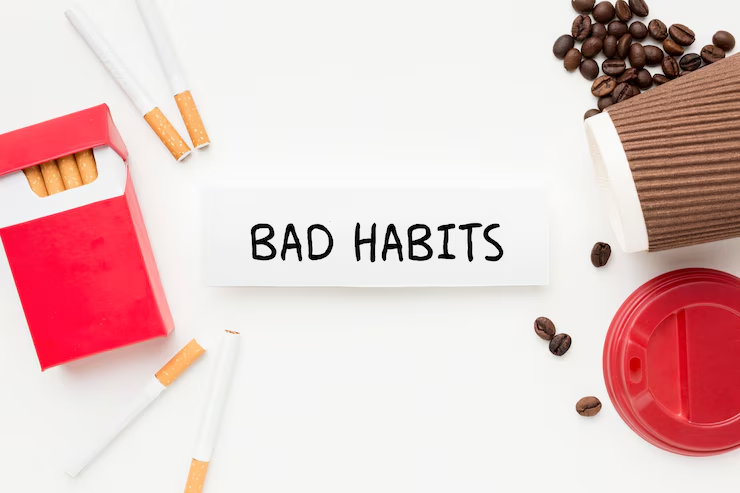
Certain everyday habits, though often overlooked, can have a serious impact on your long-term health and overall quality of life. One of the most valuable good health tips is to identify and gradually eliminate behaviors that may be silently harming your body and mind.
Smoking, excessive alcohol consumption, lack of physical activity, poor diet, and chronic sleep deprivation are just a few examples of harmful habits. These not only increase your risk for serious diseases like cancer, diabetes, and heart problems but also affect your energy levels, mood, and immune function.
Making small, positive changes over time is one of the most realistic and effective good health tips. Whether it’s cutting back on sugar, moving more each day, or getting better sleep, breaking bad habits and building healthier ones can significantly improve your well-being and help you lead a longer, happier life.
Avoid:
- Smoking: Causes lung cancer, heart disease, and reduces lifespan.
- Excessive Alcohol: Linked to liver disease, cancer, and addiction.
- Substance Abuse: Leads to long-term physical and mental health issues.
- Poor Diet: Consistently eating unhealthy food contributes to obesity and diabetes.
Pro Tip: If you’re struggling with quitting a harmful habit, seek professional help. Support groups, therapy, or medical intervention can make a huge difference.
7. Stay Preventive with Health Screenings
Routine medical check-ups are a key part of staying healthy and preventing future health issues. One of the smartest good health tips is not to wait for symptoms to appear before seeing a doctor. Regular check-ups can help catch problems early—when they’re often easier and more effective to treat.
From blood pressure and cholesterol levels to screenings for diabetes, cancer, or heart disease, routine check-ups give you a clear picture of your current health. They also allow your doctor to track changes over time and offer guidance tailored to your needs and lifestyle.
Making medical appointments a part of your self-care routine is one of the most proactive good health tips you can follow. Early detection not only saves lives but also reduces treatment time and costs. Preventive care is a smart investment in your long-term well-being and overall peace of mind.
Key Screenings to Consider:
- Blood pressure and cholesterol checks
- Diabetes testing
- Cancer screenings (breast, colon, prostate, etc.)
- Dental and eye exams
- Vaccinations and booster shots
Pro Tip: Keep a health journal with dates of your last screenings, vaccinations, and any family health history.
8. Build a Positive Routine
Healthy routines are the backbone of lasting wellness. One of the most effective good health tips is to develop daily habits that support your physical, mental, and emotional well-being. When you consistently make smart choices, good health becomes a natural part of your lifestyle.
Simple routines—like eating balanced meals, exercising regularly, staying hydrated, and getting enough sleep—build a strong foundation over time. These habits don’t have to be extreme; consistency is the key. Even small positive actions, when done daily, can lead to powerful long-term benefits.
Your daily routine ultimately shapes your future health. That’s why one of the most important good health tips is to create healthy habits that are realistic and sustainable. When you make wellness part of your everyday life, you’re more likely to stay energized, prevent illness, and enjoy a higher quality of life.
Simple Routine Ideas:
- Wake up and sleep at the same time.
- Prepare meals in advance.
- Take a walk after meals.
- Read instead of scrolling on your phone.
- Set reminders to stretch or hydrate during work.
Pro Tip: Habit-stacking (pairing a new habit with an existing one) helps build routines. Example: Do squats while brushing your teeth.
9. Foster Healthy Relationships

Strong social connections are essential for both emotional and physical well-being. One of the most meaningful good health tips is to nurture relationships with family, friends, and your community. These connections provide support, reduce stress, and contribute to a sense of belonging and purpose.
Spending time with loved ones, having meaningful conversations, or simply sharing a laugh can significantly boost mood and mental health. Studies show that positive social interaction lowers levels of stress hormones and can even strengthen your immune system, helping your body fight off illness more effectively.
Prioritizing social well-being is a powerful yet often overlooked good health tip. Whether it’s joining a group, volunteering, or reconnecting with an old friend, making time for relationships can lead to greater happiness and resilience. A strong support network is not just good for the heart—it’s good for your health, too.
Healthy Relationship Practices:
- Communicate openly and honestly.
- Spend quality time together.
- Practice empathy and active listening.
- Set boundaries and respect others’ space.
Pro Tip: Surround yourself with people who uplift and inspire you. Your social circle deeply influences your lifestyle choices.
10. Stay Informed and Stay Curious
Health advice continues to evolve as new research and discoveries emerge, making it important to stay informed and adaptable. One of the most valuable good health tips is to remain curious about your own well-being and open to learning about new ways to support your health.
Scientific studies constantly reveal new insights into nutrition, fitness, mental health, and disease prevention. By staying updated with trusted sources, you can make informed decisions that reflect the latest understanding of how to live a healthier life. What worked a decade ago may now have better alternatives.
Being proactive and curious empowers you to take charge of your health. Among the most effective good health tips is to never stop learning. Ask questions, consult professionals, and explore credible health resources. Your willingness to grow and adapt is key to building a lifestyle that evolves with your needs and supports long-term wellness.
- Read from reliable sources (Mayo Clinic, WHO, CDC).
- Ask your doctor questions—be your own health advocate.
- Try new wellness practices (cold showers, intermittent fasting, herbal teas).
- Reflect on what works best for YOUR body. One size doesn’t fit all.
Pro Tip: Keep a health journal to track symptoms, moods, meals, and activities. Patterns can reveal what truly benefits you.
Conclusion: Good Health Is Within Reach
Achieving and maintaining good health doesn’t require perfection—it simply requires consistent, mindful choices. With the right habits and a proactive mindset, wellness becomes a part of your everyday life. Small steps like eating a balanced diet, moving your body, getting enough sleep, and managing stress all add up over time.
By following simple yet effective good health tips, you can take control of your physical, mental, and emotional well-being. Whether it’s building strong social connections, going for regular check-ups, or staying informed about the latest health research, every effort counts toward a longer, healthier life.
Remember, good health is not a distant goal—it’s something you can start working on today. With commitment and the right knowledge, you can create a lifestyle that supports energy, happiness, and vitality. Your path to better health is always within reach—one smart choice at a time.
FAQs
1. What are the most important habits for maintaining good health?
A few key habits include eating a balanced diet, exercising regularly, getting enough sleep, managing stress, and avoiding harmful substances like tobacco and excessive alcohol.
2. How much exercise do I really need each day?
Most health experts recommend at least 30 minutes of moderate physical activity, such as brisk walking, five days a week. Even short bursts of movement throughout the day can add up.
3. Can mental health really affect physical health?
Yes, absolutely. Chronic stress, anxiety, and depression can weaken the immune system, disrupt sleep, and increase the risk of heart disease and other illnesses.
4. How important is sleep in a healthy lifestyle?
Sleep is crucial. Adults should aim for 7–9 hours per night to allow the body to recover, regulate hormones, and maintain mental and physical health.
5. Do I need to follow a strict diet to stay healthy?
Not at all. The best approach is a balanced, sustainable diet with a variety of whole foods. Occasional treats are fine—moderation and consistency are key.
Good Health Tips : A Stronger, Happier Everyday Life