Losing weight is a transformative journey that millions of people start each year in hopes of improving their health and boosting their confidence. While the advice to “eat less and move more” sounds simple, the reality of how to lose weight is far more complex. Weight loss is not just a physical challenge—it also demands mental and emotional strength, patience, and a deep understanding of your body’s unique needs and habits.
To truly learn how to lose weight effectively, it’s important to focus on more than just calories. Sustainable weight loss involves creating a balanced lifestyle that includes nutritious eating, regular physical activity, proper sleep, and stress management. Fad diets and extreme restrictions may deliver fast results, but they are often short-lived and can even harm your health in the long run.
In this comprehensive guide on how to lose weight, we’ll share essential information and the top 8 practical tips to help you reach your goals in a healthy and sustainable way. By adopting these proven strategies, you can build habits that not only help you shed extra pounds but also improve your overall well-being and quality of life for the long term.
Why Do People Want to Lose Weight?

- Before exploring strategies on how to lose weight, it’s essential to understand the main reasons why people choose to start this journey. One of the most powerful motivations is health improvement. Carrying excess weight is linked to a higher risk of chronic diseases such as diabetes, heart disease, high blood pressure, and certain types of cancer. By learning how to lose weight and adopting healthier habits, individuals can reduce these risks significantly and improve overall longevity and quality of life.
- Another important reason people want to learn how to lose weight is to boost self-confidence. Many feel more comfortable and happier with their appearance after shedding extra pounds, which can lead to increased self-esteem and a more positive self-image. Feeling good in your body can also have a positive impact on social relationships, work performance, and mental well-being, helping you feel more empowered in different areas of your life.
- Additionally, losing weight is key for increasing energy levels and improving mobility. Carrying less weight makes daily activities, such as climbing stairs or walking long distances, much easier and less tiring. It also reduces strain on the joints, helping to prevent pain and improve flexibility. Understanding these reasons can help keep you motivated and focused as you learn how to lose weight effectively and sustainably.
Understanding the Basics of Weight Loss
At its core, how to lose weight can be explained by a simple principle: the balance between calories in and calories out. When you consume fewer calories than your body needs to maintain its current weight, you create a calorie deficit. Over time, this deficit forces your body to use stored fat for energy, leading to weight loss. This is the basic science behind how to lose weight effectively.
However, it’s important to remember that the process is more complex than just numbers. The type of calories you eat plays a significant role in your journey. Choosing whole, nutrient-dense foods like vegetables, fruits, lean proteins, and whole grains supports your metabolism and keeps you feeling full longer. On the other hand, processed and sugary foods can trigger cravings and lead to overeating, making it harder to stick to your goals on how to lose weight.
Additionally, other factors such as metabolism, hormones, sleep quality, and stress levels greatly impact your ability to lose weight. Everyone’s body is different, and what works for one person may not work for another. By understanding these deeper influences, you can create a more personalized and sustainable approach to how to lose weight and achieve long-term success
Calories In: This refers to the food and drinks you consume daily.
Calories Out: This is the energy your body uses to perform basic functions (basal metabolic rate), digest food, and support physical activity.
When your body is in a calorie deficit, it turns to stored fat for energy, resulting in weight loss.
Top 8 Tips to Lose Weight Effectively
1. Focus on Whole, Nutrient-Dense Foods
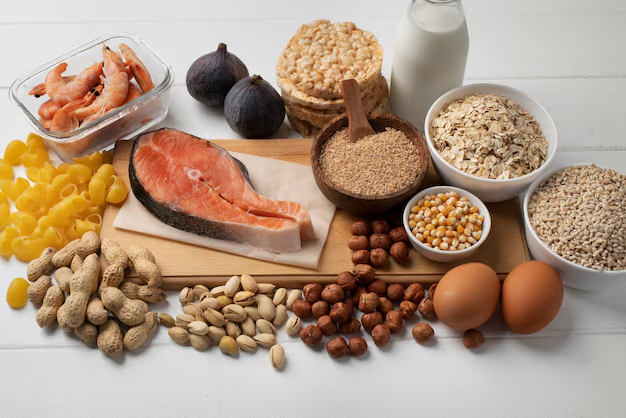
When learning how to lose weight, one of the most effective strategies is to focus on eating whole, nutrient-dense foods. Whole foods like vegetables, fruits, lean proteins, whole grains, nuts, and seeds are packed with vitamins, minerals, and fiber that your body needs to function properly. These foods help you feel satisfied for longer periods, which naturally reduces the urge to overeat or snack on unhealthy options throughout the day.
In contrast, highly processed foods are often loaded with added sugars, unhealthy fats, and empty calories that provide little nutritional value. These foods can lead to energy crashes, increased cravings, and unwanted weight gain. By limiting processed foods and prioritizing whole, fresh ingredients, you support your metabolism and make it easier to stay on track with your how to lose weight plan.
Switching to whole foods is a sustainable approach to weight loss that not only helps you reduce your calorie intake but also boosts your overall health. Improved digestion, higher energy levels, and better skin health are just a few of the added benefits. If you’re serious about discovering how to lose weight in a healthy and lasting way, making whole foods the foundation of your diet is a crucial step.
2. Stay Hydrated
Staying properly hydrated is a powerful yet often overlooked strategy when learning how to lose weight. Drinking enough water each day helps support your metabolism and can make it easier to manage your appetite. In many cases, our bodies confuse thirst with hunger, leading us to snack unnecessarily when what we really need is just a glass of water. By staying hydrated, you can avoid these extra, unplanned calories that slow your progress.
One simple but effective tip for how to lose weight is to drink a glass of water before meals. This habit can help you feel fuller and more satisfied, making it easier to control portion sizes and prevent overeating. It also supports digestion and can reduce cravings for sugary or high-calorie drinks like soda or sweetened coffee.
To get the best results on your journey to learn how to lose weight, aim for at least 8–10 glasses of water per day. You can also include herbal teas and naturally infused water with fruits or herbs for added flavor and variety. Prioritizing hydration is a small but impactful change that can make a big difference in reaching and maintaining a healthy weight.
3. Move More Throughout the Day
When exploring how to lose weight, it’s important to remember that every bit of movement counts. While structured workouts like going to the gym or attending fitness classes are excellent, simply increasing your overall daily activity can make a huge difference. Small lifestyle changes such as taking the stairs instead of the elevator, walking while talking on the phone, or even doing household chores can help you burn extra calories without feeling overwhelmed.
In addition to daily movement, it’s recommended to aim for at least 150 minutes of moderate-intensity exercise each week. Activities such as brisk walking, cycling, dancing, or swimming are fun and effective options. By combining structured workouts with increased daily activity, you can create a balanced, realistic approach to how to lose weight, making your journey more enjoyable and sustainable in the long run
4. Get Enough Sleep
When learning how to lose weight, many people focus on diet and exercise but often overlook the importance of sleep. Lack of quality sleep can disrupt the balance of hunger hormones like ghrelin and leptin, making you more likely to crave high-calorie, sugary, and fatty foods. As a result, sleep deprivation can lead to overeating and poor food choices, which slow down your weight loss progress and make it harder to stay on track.
Research has shown that individuals who sleep less than 6–7 hours per night are more prone to weight gain and have a harder time maintaining a healthy weight. This highlights the crucial role that sleep plays in how to lose weight successfully. Inadequate sleep can also reduce your energy levels, making you feel too tired to exercise or stay active throughout the day.
To support your efforts on how to lose weight, aim for 7–9 hours of quality sleep each night. Create a relaxing bedtime routine to signal to your body that it’s time to wind down. Reduce screen time before bed, avoid heavy meals late at night, and make sure your sleeping environment is cool, quiet, and comfortable. Prioritizing sleep can significantly improve both your physical and mental well-being, helping you reach your weight loss goals more effectively
5. Practice Mindful Eating
One powerful yet often overlooked strategy for those learning how to lose weight is practicing mindful eating. This approach involves paying close attention to what you eat, how you eat, and how your body feels before, during, and after meals. By eating slowly and savoring each bite, you become more aware of flavors and textures, making meals more enjoyable and satisfying. This simple practice can help you feel full with less food, reducing unnecessary calorie intake.
Listening to your body’s natural hunger and fullness cues is an important part of how to lose weight mindfully. Many people eat out of habit, boredom, or stress rather than genuine hunger. By tuning into your body, you can better understand when you actually need to eat and when you’re eating for other reasons. This awareness helps you make healthier choices and avoid emotional eating, which is a common barrier to weight loss.
It’s also important to minimize distractions during meals. Watching TV, scrolling on your phone, or working while eating can easily lead to mindless overeating. By focusing fully on your meal, you’re more likely to stop eating when you’re satisfied rather than stuffed. Incorporating mindful eating into your daily routine is a gentle yet effective way to support your journey on how to lose weight in a balanced, enjoyable way.
6. Set Realistic Goals and Track Your Progress
When learning how to lose weight, setting realistic and achievable goals is one of the most important steps for long-term success. Instead of obsessing over the number on the scale, focus on other positive changes such as increased energy levels, improved mood, better sleep, and how your clothes fit. These non-scale victories can be incredibly motivating and remind you that progress isn’t always about losing pounds — it’s about becoming healthier and feeling better overall.
Tracking different aspects of your journey is another essential strategy for how to lose weight effectively. By keeping a journal or using apps, you can log your meals, workouts, and even your emotions throughout the day. This helps you become more aware of your habits and understand how different foods and activities impact your body and mindset.
Monitoring your progress allows you to identify patterns and make necessary adjustments to stay on track. For example, you might notice that certain foods trigger cravings or that you feel more energized on days when you exercise in the morning. Staying accountable to yourself through tracking can keep you motivated and committed to your goals. In the end, focusing on realistic milestones and self-awareness is key to mastering how to lose weight sustainably and confidently
7. Manage Stress Effectively

When exploring how to lose weight, it’s important to understand the powerful connection between stress and weight gain. Chronic stress causes your body to release higher levels of the hormone cortisol, which can increase cravings for sugary and fatty foods. Over time, elevated cortisol levels can lead to stubborn weight gain, especially around the belly area. Learning to manage stress effectively is a crucial part of any plan for how to lose weight successfully and sustainably.
Incorporating stress management techniques into your routine can help keep cortisol levels balanced. Practices like meditation, deep breathing exercises, yoga, or simply spending time on hobbies you love can all make a big difference. These activities help calm your mind, improve your mood, and make it easier to stick to healthy habits without turning to emotional eating as a coping mechanism.
Prioritizing self-care isn’t just about relaxation — it also supports your overall mental and physical health. When you take time for yourself, you feel more centered and resilient, making you less likely to reach for comfort foods during stressful moments. By including stress reduction in your approach to how to lose weight, you create a more holistic, effective, and enjoyable path toward your goals
8. Build a Support System
When learning how to lose weight, having a strong support system can make a huge difference in your success. Surrounding yourself with supportive friends, family members, or a like-minded community can keep you inspired and motivated, especially during challenging moments. Whether it’s words of encouragement or simply having someone to share your achievements with, emotional support is a powerful tool for staying on track with your weight loss goals.
One effective way to build support is to join a fitness group or find a workout buddy who shares similar goals. Exercising together can make workouts more enjoyable and hold you accountable to your routine. When you have someone counting on you, you’re more likely to stay consistent and push yourself a little further. This social connection also turns working out into a fun and rewarding activity rather than a chore.
In addition, online communities focused on how to lose weight offer another great source of motivation. Sharing your journey, progress, and even setbacks in these groups helps you feel understood and less alone. Discussing goals publicly or with a trusted group can strengthen your commitment and inspire others as well. By building a support network, you create a positive environment that makes it easier to succeed on your path to how to lose weight.
Additional Strategies for Long-Term Success
When it comes to how to lose weight, it’s important to avoid extreme or crash diets. While these restrictive approaches may deliver quick results, they are often unsustainable and can harm your metabolism in the long run. Rapid weight loss can lead to muscle loss, nutritional deficiencies, and even a slower metabolism, making it harder to maintain results. Instead, focus on creating a balanced, realistic eating plan that you can stick to over time.
Another key element of learning how to lose weight is listening to your own body. Each person’s journey is unique, and what works for someone else may not work for you. Pay attention to how different foods, activities, and routines make you feel. By understanding what your body responds to best, you can build habits that truly support your health and make your journey more enjoyable.
It’s also essential to celebrate non-scale victories along the way. Improvements in mood, energy levels, sleep quality, and overall fitness are all valuable signs of progress. Finally, don’t be too hard on yourself — weight loss is not a perfectly straight path. There will be setbacks and fluctuations, but focusing on long-term consistency rather than short-term perfection is the true key to success when learning how to lose weight
Common Myths About Weight Loss
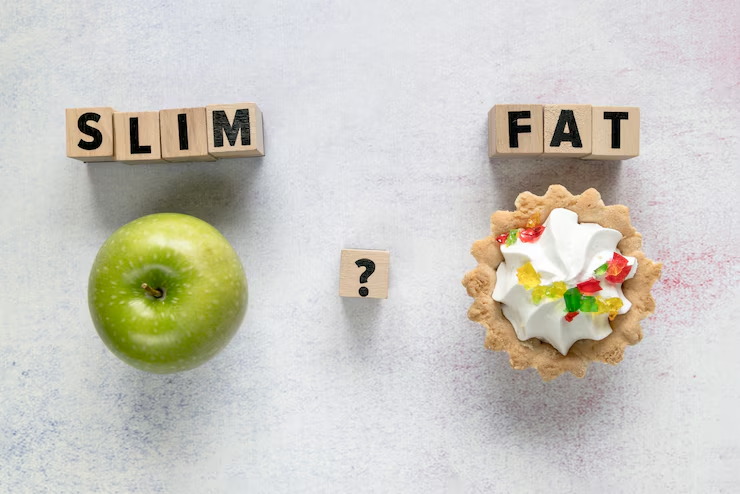
When exploring how to lose weight, it’s easy to get caught up in popular myths that can derail your progress. One common myth is that carbohydrates make you fat. In reality, carbs are not inherently fattening. Whole, unprocessed carbohydrates such as fruits, vegetables, and whole grains are essential for providing energy, fiber, and important nutrients. Rather than avoiding carbs completely, focus on choosing healthy, whole-carb sources to support your journey on how to lose weight effectively.
Another myth is that you have to give up all your favorite foods to succeed. In truth, extreme deprivation often leads to frustration and binge eating, making it harder to stay consistent. A sustainable plan for how to lose weight includes balance and flexibility. Enjoying your favorite treats in moderation helps you stay motivated and prevents feelings of guilt, making your approach more enjoyable and realistic in the long run.
Finally, there’s the myth that weight loss is all about willpower. While self-control does matter, other factors such as your environment, daily habits, hormones, and mental health play huge roles in your success. Understanding these deeper influences can help you build a personalized and supportive plan for how to lose weight, making it easier to achieve lasting results without relying on sheer willpower alone
The Role of Professional Help
When it comes to figuring out how to lose weight, working with a professional can be a game changer. A registered dietitian, personal trainer, or therapist can provide expert guidance that is tailored specifically to your body and goals. Rather than trying to navigate all the conflicting information on your own, you’ll receive clear, science-based advice that helps you make safe and effective choices.
Professionals can also help you overcome obstacles that might otherwise slow your progress. Whether you’re struggling with emotional eating, lack of motivation, or confusion about nutrition, having an experienced guide makes it easier to find solutions. A therapist, for example, can help address the mental and emotional challenges that often come with learning how to lose weight, while a trainer can design workouts that keep you engaged and progressing steadily.
In addition, personalized plans created by professionals are designed to suit your unique lifestyle, preferences, and health conditions. This customized approach makes it more likely that you’ll stick with your plan and see lasting results. Investing in professional support can turn the overwhelming process of how to lose weight into a clear, achievable, and even enjoyable journey toward better health and confidence.
Conclusion: Your Journey Starts Now
Losing weight is more than just a physical transformation—it’s a lifelong commitment to health and well-being. By focusing on whole foods, moving more, prioritizing sleep, managing stress, and building a support system, you’ll set yourself up for long-term success.
Remember, there’s no “one-size-fits-all” approach. Be patient with yourself, celebrate every small win, and enjoy the journey toward a healthier, happier you.
Start today with small changes, and watch them add up over time. You’ve got this!